
What is Oily Skin in Men?
Men’s oily skin care routine starts with understanding your skin type. Men’s skin is approximately 25% thicker than women’s and has more active sebaceous glands (oil glands). When these glands start producing excess sebum (natural oil) beyond what the skin needs, it is referred to as “oily skin.”
This is not just a skin type but a condition where your face can turn into a “dust magnet.” The excess oil attracts dirt and pollution from the environment, which mixes together and clogs the skin’s pores. If not managed properly, it not only affects your appearance but can also make your skin look tired, dull, and unhealthy over time.
How to Identify Oily Skin
You don’t need any lab test to identify your skin type—just observe these signs carefully:
- Midday Shine Test: If your forehead and nose (T-zone) start looking shiny 2–3 hours after washing your face, you likely have oily skin.
- Texture Check: If your skin feels sticky when touched and leaves a slight oily residue on your fingers, it indicates excess oil production.
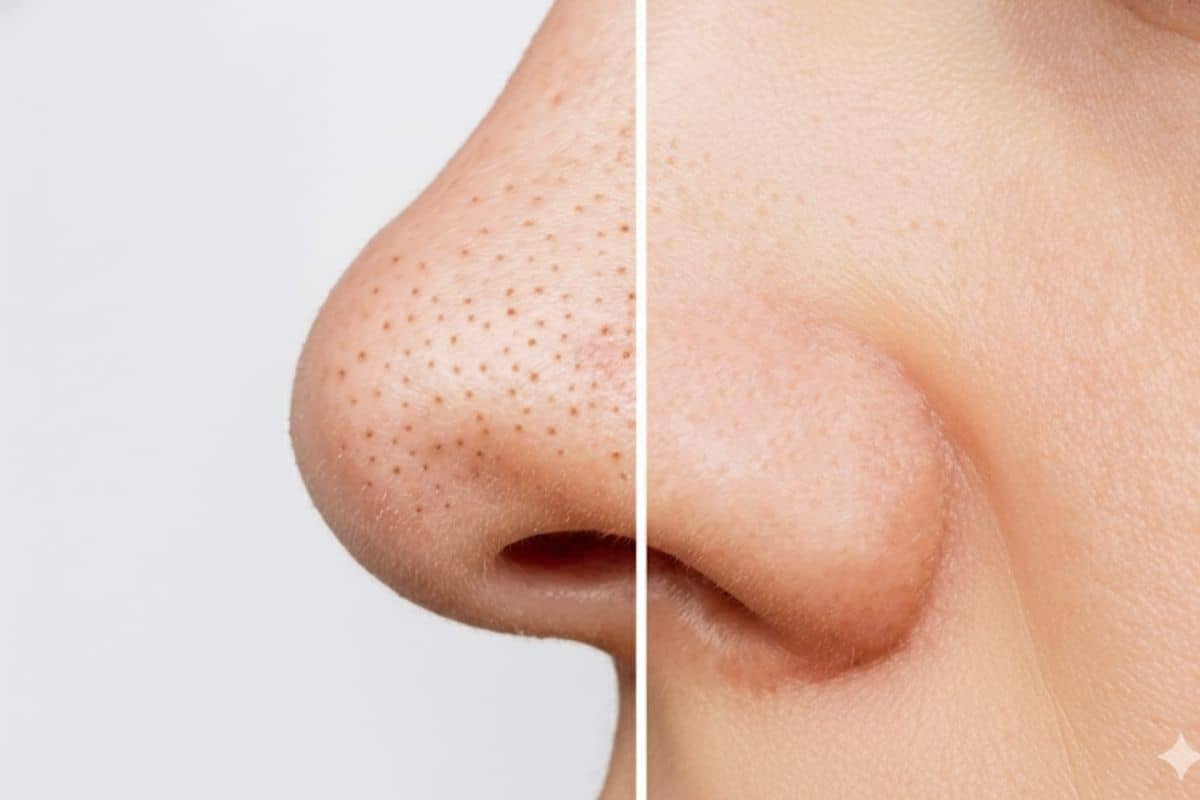
- Large Pores: Men with oily skin often have visibly enlarged pores, especially around the nose and cheeks, appearing like small pits on the skin.
- Tissue Paper Test: Press a clean tissue on your face in the morning after waking up. If it shows oil spots, your skin falls under the oily category.
Why Does the Face Produce Excess Oil?
Excess oil production is not just caused by sweat—there are deeper reasons behind it:
- Hormonal Influence (Testosterone Effect): Men have higher levels of androgen hormones, which directly stimulate sebaceous glands to produce more oil.
- Genetics: Oily skin can be hereditary. If your parents had oily skin, there is a higher chance you will have it too.
- Over-Washing Mistake: Washing your face too frequently strips away natural moisture, causing the skin to become dry. In response, the brain signals the glands to produce even more oil as a protective mechanism.
- Unhealthy Diet: High sugar intake, refined carbohydrates, and excessive dairy consumption can trigger increased sebum production.
Common Problems Associated with Oily Skin
If oily skin is not properly managed, it can lead to several skin issues:
- Breakouts and Acne: Excess oil combined with dead skin cells creates an environment for bacteria, leading to painful pimples and redness.
- Strawberry Nose (Blackheads): Oil buildup on the nose oxidizes when exposed to air, forming stubborn blackheads.
- Dull and Greasy Appearance: Constant oiliness replaces natural glow with a greasy shine, making the skin look tired and unclean.
- Long-Lasting Marks and Scars: Acne on oily skin often leaves behind deep marks that can take months to fade.
Why is a Skincare Routine Important for Men?
Disadvantages of Ignoring Oily Skin
Ignoring oily skin can trigger a chain reaction of skin problems, which is why following a proper men’s oily skin care routine is essential. When excess oil and dead skin cells get trapped inside the pores, it leads to clogged pores, resulting in cystic acne and painful breakouts. Over time, continued neglect can permanently enlarge pores, making the skin texture appear rough and uneven. Additionally, the oily layer tends to absorb environmental pollutants, which can cause stubborn dark spots and even lead to premature aging. What starts as simple oiliness can gradually turn into multiple long-term skin concerns if not addressed properly.
Benefits of Following a Daily Skincare Routine
A proper daily skincare routine helps maintain the skin’s natural pH balance, which prevents the oil glands from overproducing sebum. One of the biggest benefits is a noticeable reduction in frequent breakouts and a more even skin tone. Regular cleansing and hydration strengthen the skin’s barrier layer, allowing it to act as a shield against pollution, dust, and harmful UV rays. As a result, the skin remains fresh, clean, and oil-free throughout the day, giving a healthy and well-maintained appearance.
Connection Between Skin Health and Confidence
Morning Skincare Routine (Morning Routine)
How to Control Oil with the Right Face Wash
An effective morning routine should begin with a face wash that contains Salicylic Acid. It works deep within the skin, cleansing pores like a vacuum and removing excess oil and impurities. While washing your face, avoid harsh rubbing—gently massage your skin instead. A good face wash removes only the excess oil without stripping away the skin’s natural moisture, preventing the sebaceous glands from going into “emergency mode” and producing even more oil.
Tightening Pores with Toner
The primary role of a toner is to balance the skin’s pH level and minimize the appearance of open pores. For men with oily skin, alcohol-free toners containing Witch Hazel or Niacinamide are highly effective. They help remove any remaining impurities after cleansing and prepare the skin for the next steps in your routine, leaving it refreshed and balanced.
Why a Lightweight Moisturizer is Essential
It is a common myth that oily skin does not need hydration. In reality, when the skin becomes dehydrated, it compensates by producing even more oil. That’s why choosing a water-based or gel-based moisturizer is important. These formulas provide hydration without making the skin feel heavy or greasy, helping your face stay soft, smooth, and fresh throughout the day.
Protecting Your Skin with Sunscreen
Night Skincare Routine (Night Routine)
Removing Dirt and Oil from the Day
How Night Care Helps Reduce Pimples
If your skin is acne-prone, nighttime is the best opportunity for targeted treatment. Products containing Benzoyl Peroxide or Tea Tree Oil can be applied directly to affected areas to reduce pimples significantly overnight. With consistent use, this routine helps improve skin texture and makes it clearer and smoother over time.
How to Choose the Right Products for Oily Skin
What Are Oil-Free and Non-Comedogenic Products?
Beneficial Ingredients for Oily Skin
- Salicylic Acid: Helps control oil and reduce acne.
- Niacinamide: Minimizes pores and improves skin tone.
- Clay (Kaolin/Bentonite): Absorbs excess oil effectively.
- Tea Tree Oil: Fights bacteria and reduces breakouts.
Products You Should Avoid
Weekly Extra Skincare
Removing Dead Skin with Scrub
Controlling Oil with Clay Face Masks
Essential Tips and Mistakes for Oily Skin
Important Do’s for Oily Skin
- Change your pillowcase at least twice a week to avoid bacteria buildup.
- Use a separate, clean towel for your face.
- Drink 3–4 liters of water daily to help flush out toxins and keep your skin hydrated from within.
Common Mistakes That Damage Your Skin
- Touching your face frequently: Bacteria from your hands transfer directly into your pores, causing breakouts.
- Popping pimples: This spreads infection and can leave permanent scars or marks.
- Using very hot water: Hot water dries out the skin, triggering even more oil production.